European Rail Preservation Archive

Keeping Europe's Living Railway Legacy on the Rails

We celebrate the mechanical ingenuity, iron road craft, and architectural splendour that forged a continent. From high-pressure steam locomotives to teak carriage restorations, European railway heritage is an active technical discipline that connects generations.

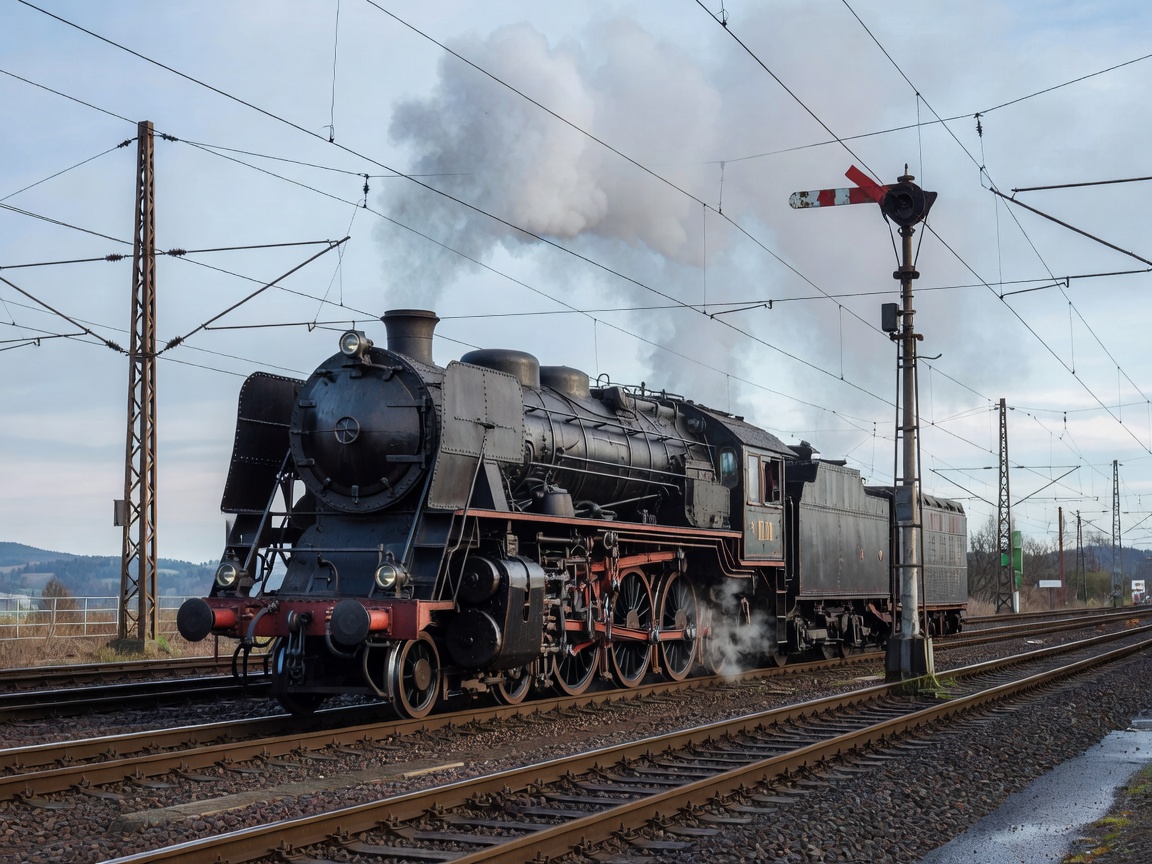
Historic European locomotive steam engine on operational tracks with catenary and signals
Operational Archive 2026
400+ Heritage Lines
200 yrs Civil Rail History
1,200+ Preserved Engines
Network Perspective

The Living Fabric of European Railway Heritage

European railways did not simply transport passengers; they pioneered standard time, transformed civil engineering, and created civic landmarks that remain active today.

Engineering Craftsmanship

Boilermaking, white-metal bearing casting, and line-boring cylinders demand skills that modern manufacturing has largely abandoned. Preserving running locomotives keeps rare apprentice trades alive.

Timetable Discipline & Safety

From mechanical Absolute Block signalling with brass levers to early electromechanical interlocking, railway heritage demonstrates how fail-safe engineering emerged through rigorous protocol.

Civic Architecture

Wrought-iron train sheds, barrel vaults, and decorative cast columns transformed European termini into secular cathedrals. Preserving them safeguards urban identity and communal memory.

Archival Field Guides

Explore Our Five Key Heritage Themes

Delve into five distinct pillars of European rail preservation, curated with technical accuracy, historical context, and practical visiting insight.

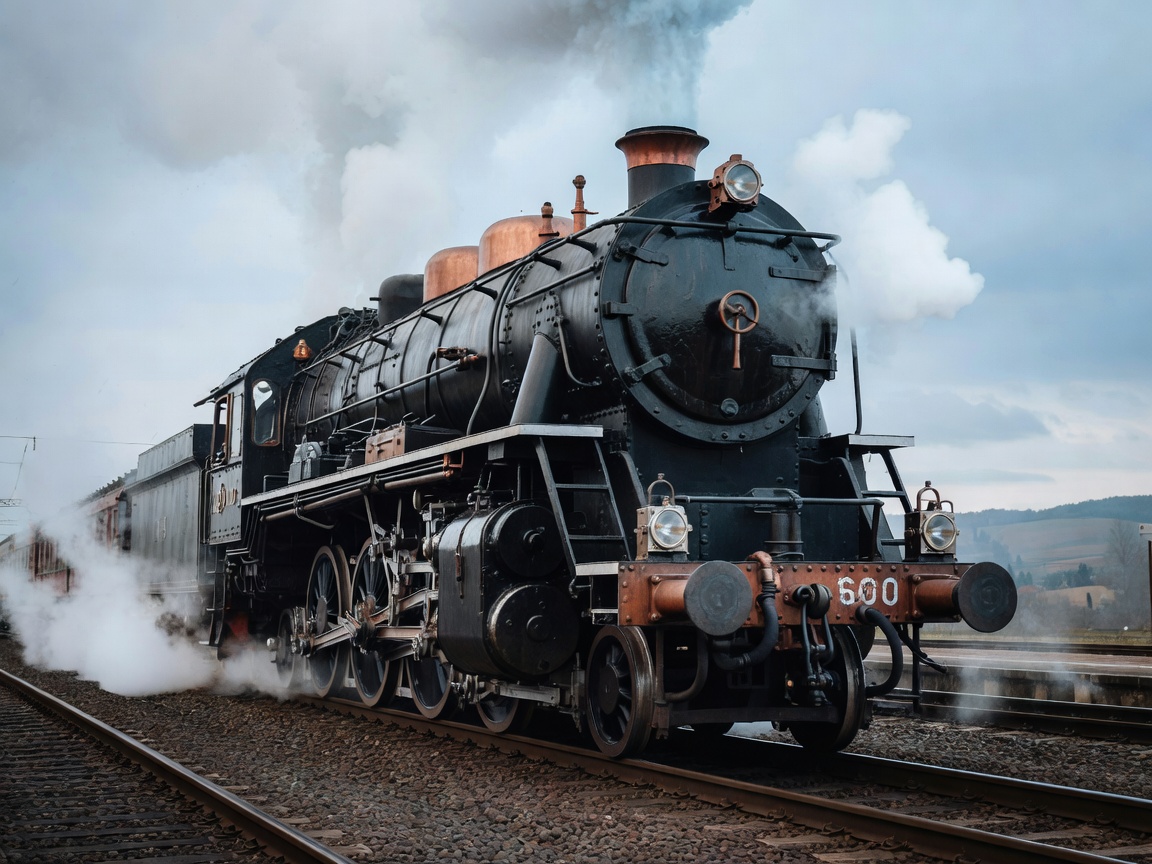
Historic European steam locomotive in full steam with polished copper caps and driving rods Theme 01 • Mechanical Traction

Historic Locomotives & Engineering

From the firebox crown sheets of British Pacifics to Swiss electric pioneers crossing the Alps, explore how high-pressure steam and early traction systems pushed mechanical engineering to its absolute zenith.
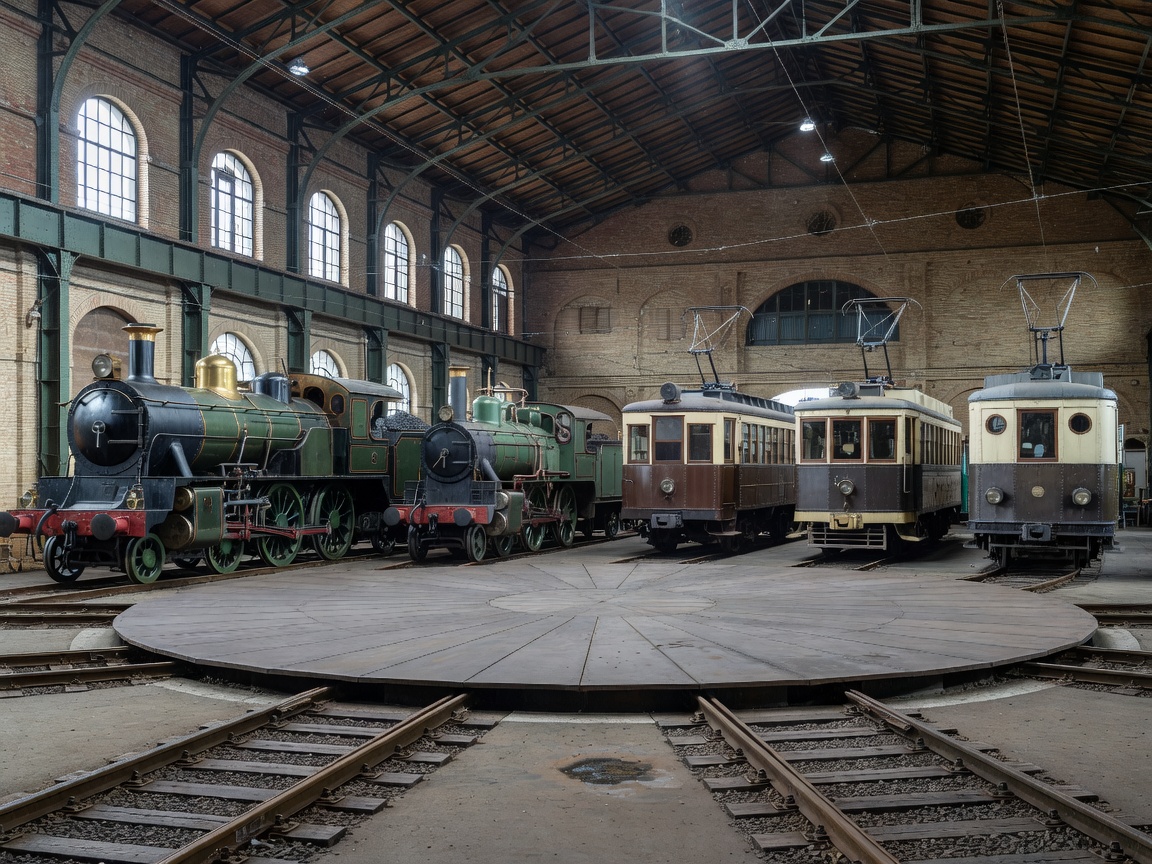
European railway museum turntable hall showing historic steam locomotives and early electric railcars Theme 02 • Curated Collections

Railway Museums & Roundhouses

Step inside Europe’s premier roundhouse collections, including York, Mulhouse, and Nuremberg. Discover how curatorial teams balance climate-controlled conservation with active, steam-tested interpretation.

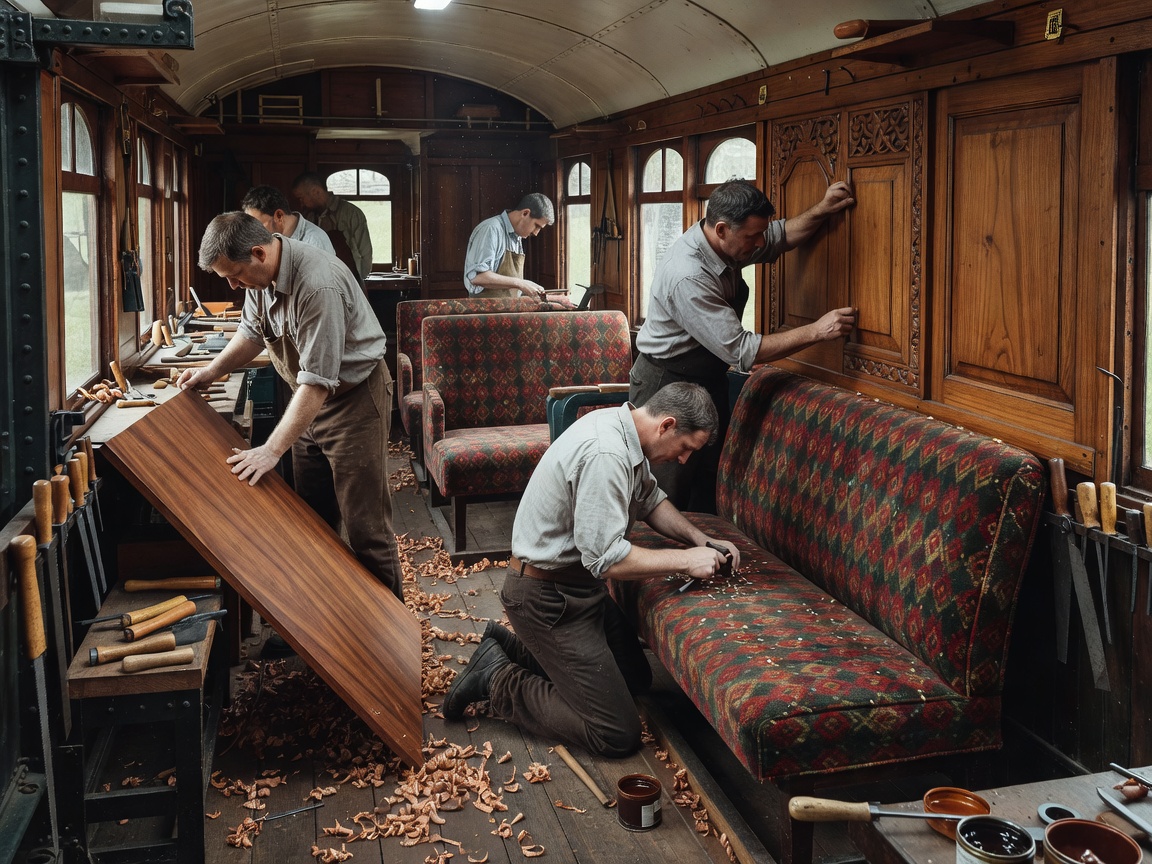
Joiners working on teak panel woodwork and moquette upholstery inside a vintage railway coach workshop Theme 03 • Workshop Craft

Carriage & Rolling Stock Restoration

Examine the patient craft of carriage rebuilding. Discover the structural chemistry of timber framing, vulcanised rubber vestibules, hand-blocked moquette fabrics, and dual-pipe braking systems.

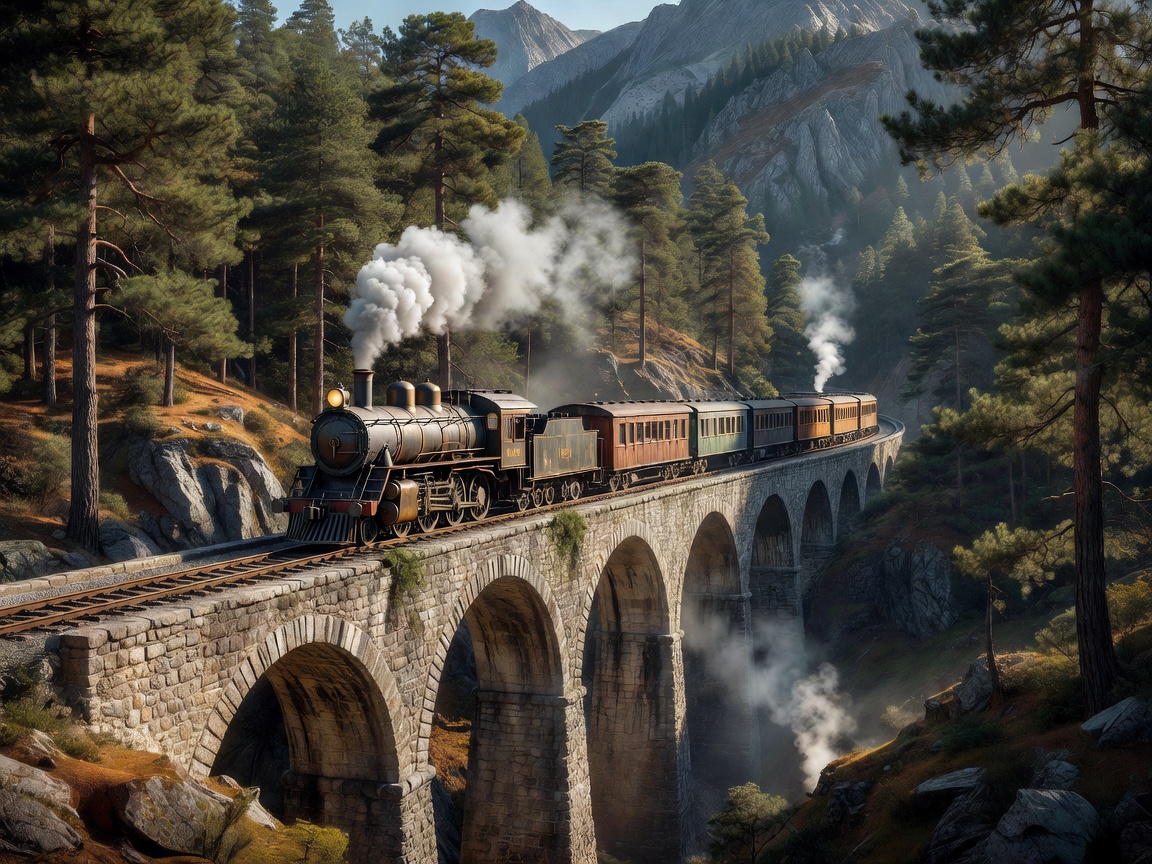
Preserved heritage steam train traversing a dramatic mountain viaduct surrounded by pine trees Theme 04 • Operating Lines

Operating Heritage Railways

Journey across preserved volunteer-run branch lines, rack-and-pinion alpine routes, and coastal narrow-gauge networks. Learn how operating societies handle track maintenance, coal sourcing, and regulatory safety cases.

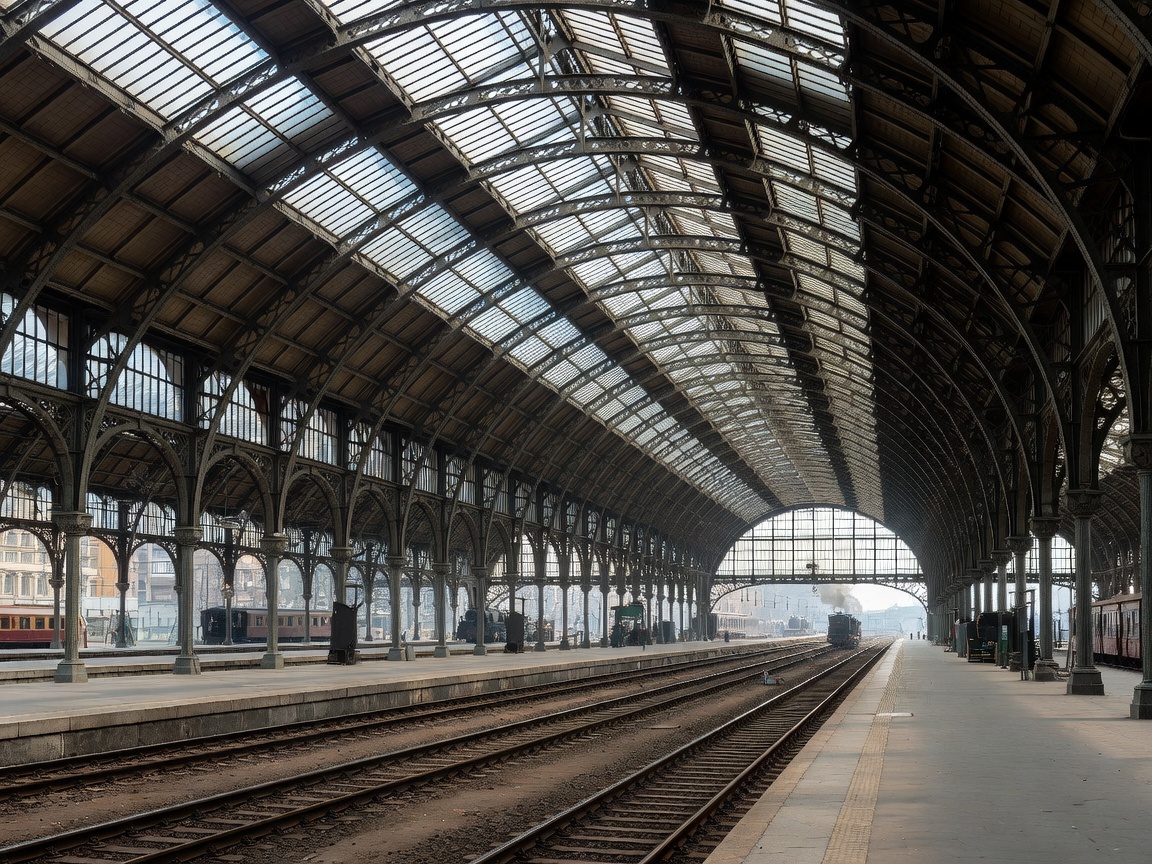
Iron and glass barrel-vaulted roof over passenger platforms in a historic European railway terminal Theme 05 • Civil Infrastructure

Historic Stations & Architecture

Analyse the soaring ridge-and-furrow glass roofs, decorative brick façades, and mechanical signal cabins that established European railway stations as cathedral-scale gates to major cities.

Evolutionary Milestones

Two Centuries of European Rail Innovation

Understanding preservation requires tracing the technical breakthroughs that transformed isolated regional experiments into an interconnected continental grid.

1829

The Multi-Tubular Boiler Revolution

Robert Stephenson's Rocket proved that multi-tubular boilers and direct drive connecting rods could achieve high operational speeds, establishing the basic template for European steam traction for over a century.

1883

Transcontinental Luxury & Standardisation

The Compagnie Internationale des Wagons-Lits (CIWL) introduced luxury long-distance travel with the Orient Express, establishing international standards for bogie stability, heating, and border railway interchange.

1920s

Alpine Electrification & High Power

Swiss and Austrian railway engineers pioneered 15 kV AC electrification across the Gotthard and Arlberg passes, displacing steam with articulated electric "Crocodile" locomotives designed for steep gradients.

1968

The Dawn of Community Preservation

As state rail operators in Britain, France, and West Germany completed steam withdrawal, passionate volunteer trusts stepped in to purchase branch lines, sheds, and redundant locomotives, founding the modern heritage movement.

Connect with Rail Historians

Collaborate on Research or Share Heritage Archives

Whether you represent an active railway preservation trust, an archival workshop, or an independent researcher documenting mechanical drawings, we want to hear from you.

Get in Touch with Our Team